

Blog list
Optimal Optometry Blog
Learn more about optometry care in our blog!
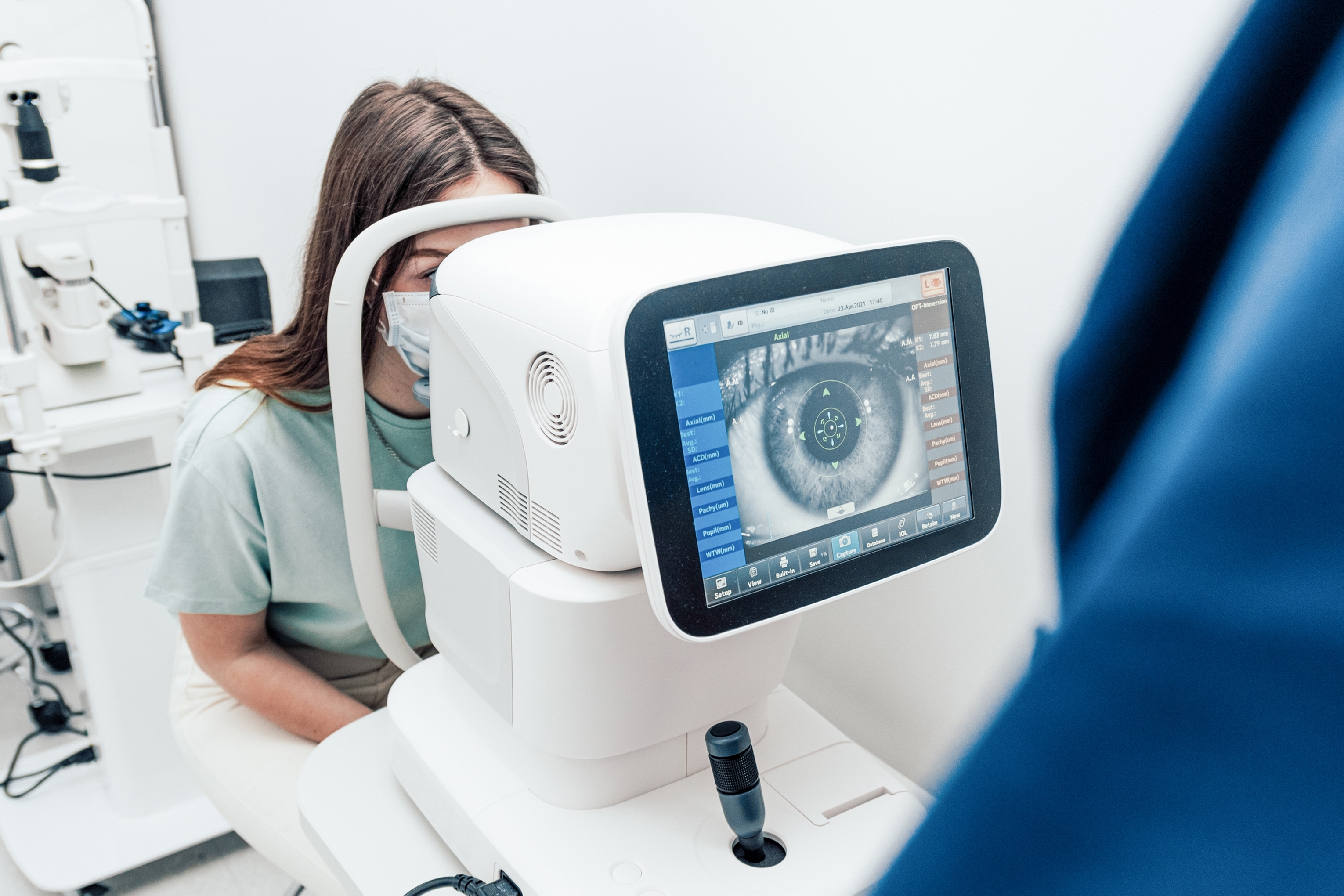
Clear vision is important, but seeing 20/20 does not always mean your eyes are completely healthy. A comprehensive eye exam goes beyond checking how clearly you can read an eye chart. It gives your optometrist a more complete look at your vision, eye function, and overall eye health.
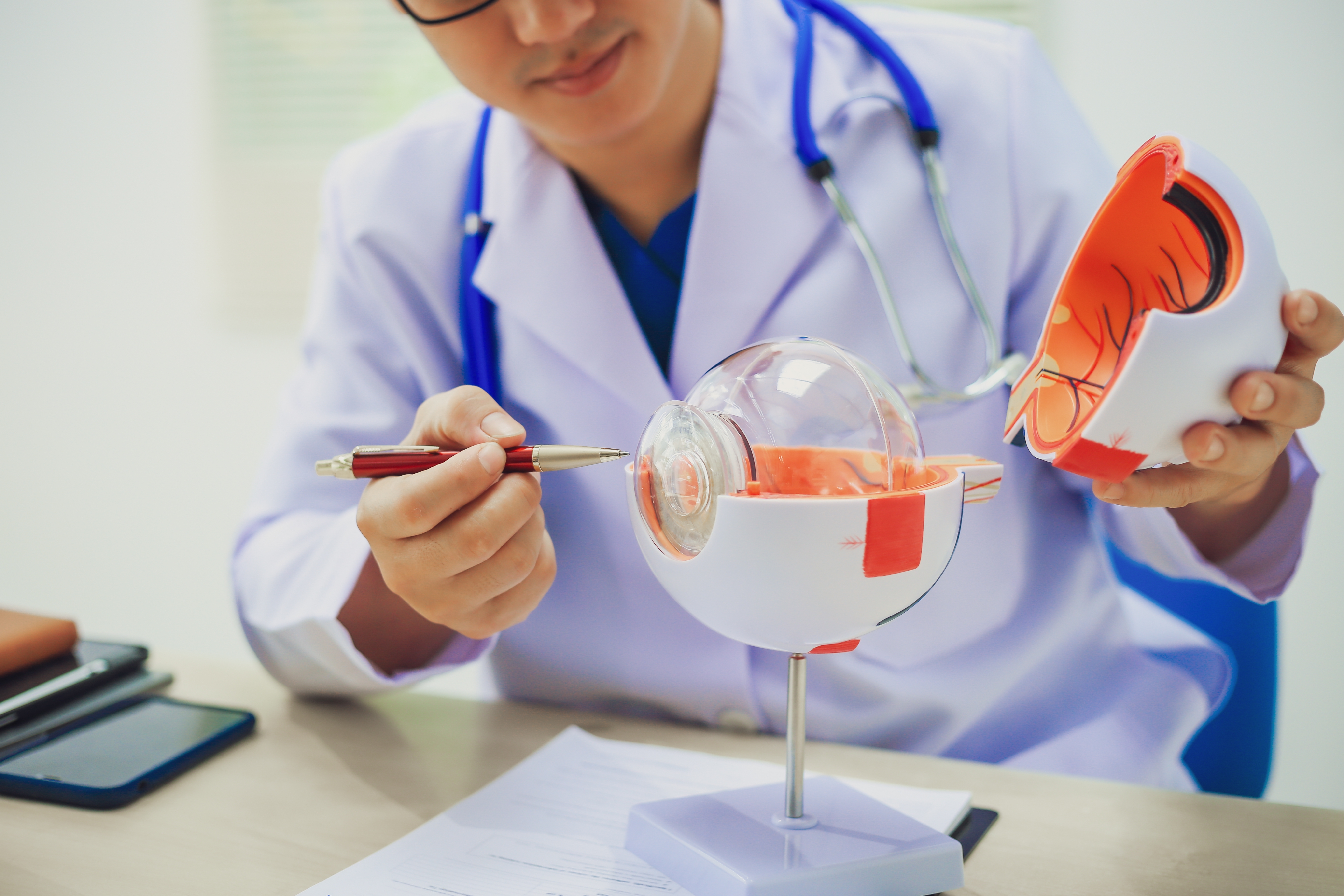
Diabetes can impact many parts of the body, including the small blood vessels in the eyes. When blood sugar levels remain high over time, these vessels can become damaged, leading to diabetic eye disease. For patients in Ontario, CA, regular diabetic eye exams are an important part of protecting long-term vision and catching early changes before they become more serious.
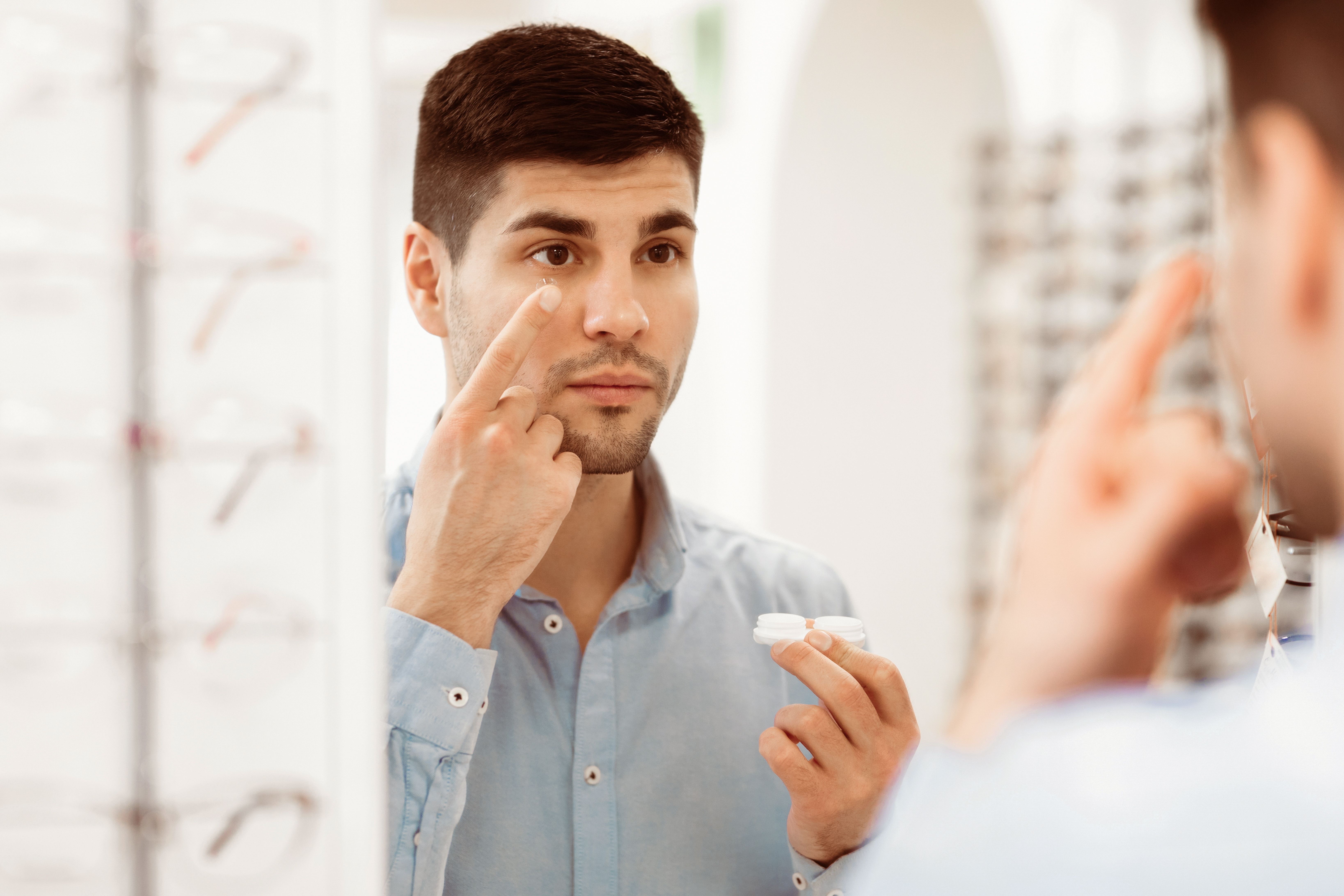
If you’re considering contact lenses for the first time or thinking about switching to a different type, you may be wondering what happens during a contact lens evaluation. While many people assume it’s the same as a routine eye exam, a contact lens evaluation involves additional steps to ensure your lenses fit properly, feel comfortable, and support long-term eye health. At Optimal Optometry, we take the time to thoroughly evaluate your eyes and lifestyle to recommend the best contact lens options for you.
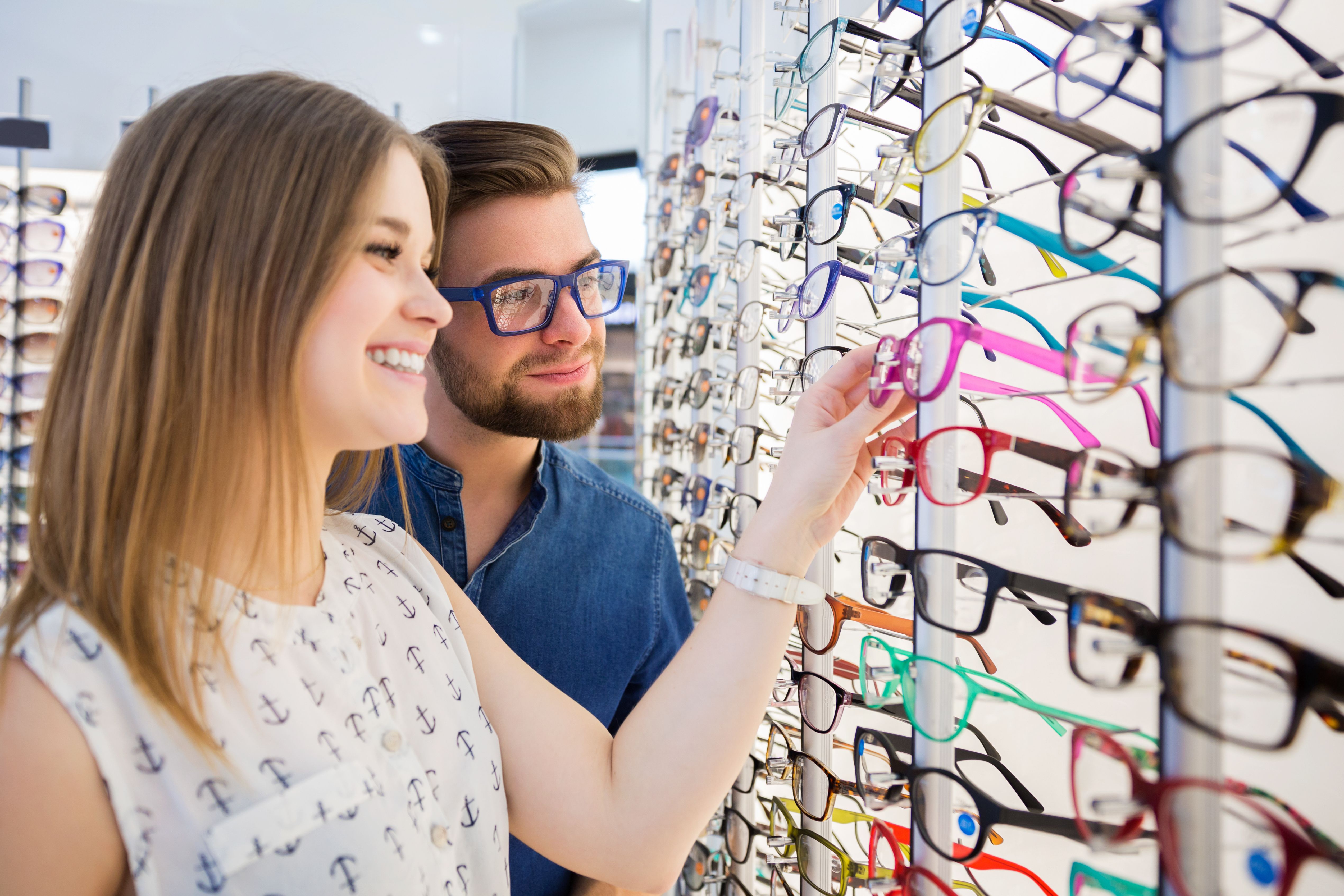
Choosing the right eyewear is about more than just picking a pair of frames that look good. Your glasses should complement your daily routine, support your visual needs, and provide long-term comfort and durability. At Optimal Optometry, we believe the process starts with understanding your eyes, your activities, and your personal style.

We often think of sunscreen as the main form of protection against the sun, but our eyes need just as much care. Prolonged exposure to ultraviolet (UV) rays can cause serious, long-term eye damage if not addressed early. Fortunately, taking steps to protect your eyes now can significantly reduce the risk of developing vision problems later in life.

When it comes to eye health, time is often of the essence. Certain eye conditions are considered ocular emergencies and require immediate attention to prevent vision loss or permanent damage. Understanding what constitutes an ocular emergency and knowing where to turn for prompt care can make all the difference in protecting your sight.

LASIK eye surgery is a popular procedure that offers the possibility of freedom from glasses or contact lenses. However, not everyone is an ideal candidate. One of the most critical factors in determining LASIK eligibility is your prescription and overall eye health. Understanding these elements can help you make an informed decision about whether LASIK is right for you.

For individuals with diabetes, routine eye exams are crucial to maintain good eye health and prevent complications. Diabetes can lead to several eye-related issues, including diabetic retinopathy, glaucoma, and cataracts.

Contact lenses are a popular vision correction option that offer a range of benefits over traditional eyeglasses. They provide clear, unobstructed vision and a more natural, comfortable fit. Whether you're nearsighted, farsighted, or have astigmatism, there are various types of contact lenses available to meet your unique vision needs.

Dry eyes are a common condition that occurs when your eyes are unable to produce enough tears or maintain proper lubrication. There are several causes for this condition, including environmental factors such as dry air or wind, as well as certain medical conditions like diabetes or autoimmune diseases. Aging, hormonal changes, and certain medications can also contribute to the development of dry eyes.


Interested in our
Services?
Schedule an appointment with this form to schedule a time with our professional staff!
Phone: (909) 563-3120
Fax: (909) 738-1370
- MondayClosed
- Tuesday9:00 AM - 6:00 PM
- Wednesday9:00 AM - 6:00 PM
- Thursday9:00 AM - 6:00 PM
- Friday9:00 AM - 6:00 PM
- Saturday9:00 AM - 2:00 PM
- SundayClosed
- Closed Weekdays for Lunch 1:00PM - 2:00PM
Powered by: 